Get Residential Siding Installation
Residential siding installation services help property owners upgrade or replace damaged, outdated, or inefficient exterior siding using various materials to improve appearance and protect the home.
If you are considering residential siding installation, you are in the right place to explore your options. Property owners often look into siding upgrades to enhance curb appeal, improve energy efficiency, or increase the overall value of their homes. Whether planning a renovation or preparing for future projects, understanding the available choices and connecting with experienced local contractors can help ensure the work aligns with your goals and property needs.
This site provides a helpful resource for comparing local service providers who specialize in residential siding installation. By exploring your options, you can find qualified contractors capable of handling the job professionally and efficiently. Keep reading to discover more about the benefits of siding updates and how to identify the right local experts for your project.
- Vinyl Siding Installation - when homeowners want a durable, low-maintenance exterior update for their residence.
- Fiber Cement Siding Replacement - suitable for those seeking a long-lasting and fire-resistant siding option.
- Wood Siding Installation - ideal for clients aiming for a classic, natural look on their home’s exterior.
- Stucco Siding Application - used when a textured, weather-resistant finish is desired for a residential property.
- Insulated Siding Installation - for homeowners looking to improve energy efficiency and curb appeal simultaneously.

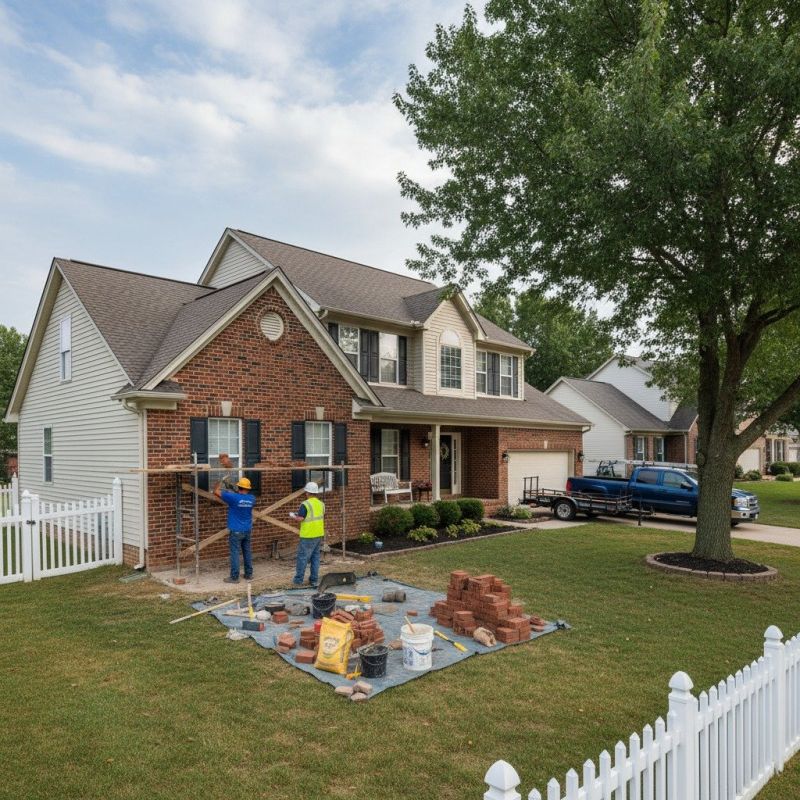
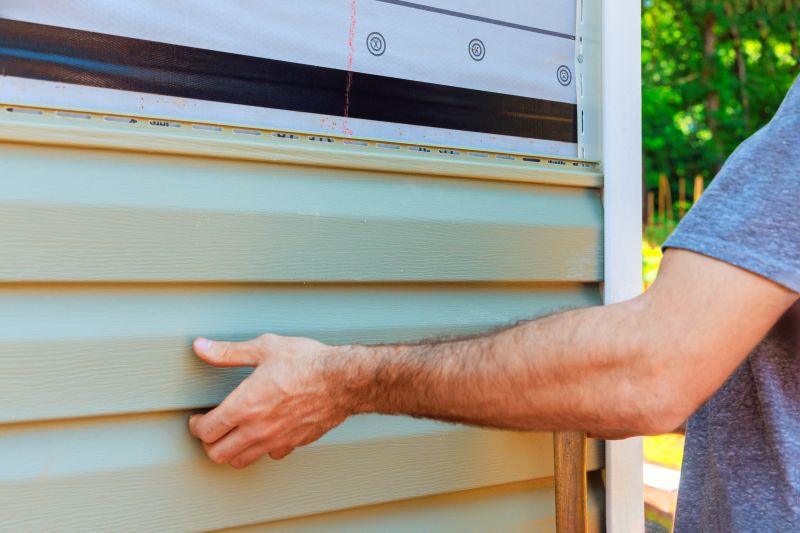
Residential siding installation services involve attaching new siding material to the exterior walls of a home. This process typically includes removing old or damaged siding, preparing the surface, and then installing the chosen siding material securely. The goal is to improve the home's appearance, increase durability, and provide an extra layer of protection against weather elements. Local contractors specializing in siding installation can help homeowners select the right materials and ensure that the installation is done properly for long-lasting results.
One of the primary problems siding installation helps address is weather-related damage. Over time, exposure to rain, wind, snow, and sunlight can cause existing siding to crack, warp, or deteriorate. This can lead to leaks, drafts, and increased energy costs. Installing new siding can seal the exterior more effectively, preventing moisture intrusion and reducing the risk of mold or rot. Additionally, siding replacement can enhance curb appeal, making a home look fresh and well-maintained, which is especially beneficial when preparing for sale or simply wanting to boost property value.
Siding installation services are commonly used on a variety of residential properties, including single-family homes, townhouses, and multi-family buildings. Homes with older or damaged siding often benefit from replacement to restore structural integrity and aesthetic appeal. Newer homes may also require siding upgrades to improve insulation or update their look. Whether a property is in a suburban neighborhood or a more urban setting, local contractors can tailor siding solutions to match the style and needs of the home, ensuring a seamless fit and finish.
Homeowners typically consider siding installation when their current exterior shows signs of wear or damage. Common indicators include cracking, peeling paint, warping, or visible mold and mildew. In addition, if a home feels drafty or has uneven temperature control, new siding can help improve insulation. Siding installation is also a practical choice when planning a home renovation or exterior update, providing an opportunity to enhance both the appearance and durability of the property. Local service providers can assist in choosing the right materials and handling the installation efficiently.
The overview below groups typical Residential Siding Installation projects into broad ranges so you can see how smaller, mid-sized, and larger jobs often compare in your area.
In many markets, a large share of routine jobs stays in the lower and middle ranges, while only a smaller percentage of projects moves into the highest bands when the work is more complex or site conditions are harder than average.
Smaller Repairs - minor siding repairs or patchwork typically cost between $250 and $600, depending on the extent of damage and materials used. Many routine fixes fall within this middle range, making them affordable options for homeowners. Fewer projects reach the higher end of this spectrum, which usually involves more extensive work.
Partial Siding Replacement - replacing sections of siding can range from $1,000 to $3,000, based on the size of the area and siding type. Local contractors often handle these projects within this range, with larger or more complex areas pushing costs higher. Most projects stay in the middle of this spectrum for typical home sizes.
Full Siding Replacement - complete siding installation for an average-sized home usually costs between $5,000 and $15,000. Larger, more complex homes or premium materials can increase costs beyond this range. Many full replacements fall into the mid to upper tiers, depending on scope and material choices.
Premium Materials and Custom Jobs - high-end siding options or custom installations can exceed $20,000, especially for large or intricate projects. These are less common and often represent the upper tier of residential siding costs, with most projects remaining in the lower to mid-range budgets.
Actual totals will depend on details like access to the work area, the scope of the project, and the materials selected, so use these as general starting points rather than exact figures.
Exterior Wall Cladding - Local contractors skilled in siding installation often have experience with various types of exterior wall cladding, ensuring proper application and durability.
Deck and Porch Construction - Building decks and porches requires similar planning, framing, and material handling skills as residential siding projects.
Insulation Installation - Proper insulation work complements siding installation, with contractors familiar with weatherproofing and energy efficiency considerations.
Window and Door Framing - Installing or replacing windows and doors involves framing and sealing techniques that align with siding installation practices.
Exterior Painting and Finishing - Surface preparation and finishing skills used in siding projects are also applicable to exterior painting and finishing tasks.
Siding Repair and Maintenance - Local service providers experienced in siding installation are often capable of handling repairs and ongoing maintenance work.
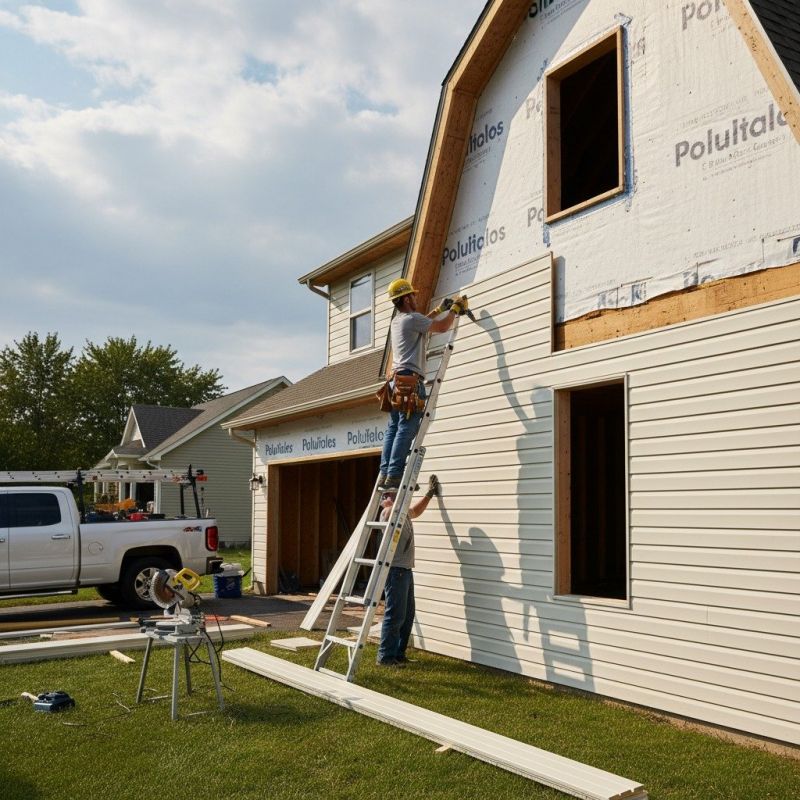
When comparing service providers for residential siding installation, it’s important to consider their experience with similar projects. Homeowners should look for local contractors who have a proven track record of completing siding work in homes comparable to their own. This can help ensure that the contractor understands the specific requirements and challenges associated with different types of siding materials and styles, leading to a more successful outcome.
Clear written expectations are also essential when evaluating potential service providers. Homeowners should seek out contractors who provide detailed estimates and scope of work, outlining the materials, processes, and standards that will be followed. Having these expectations documented helps prevent misunderstandings and provides a reference point throughout the project, fostering transparency and accountability.
Reputable references and good communication are key indicators of a dependable contractor. Homeowners are encouraged to ask for references from previous clients who had similar siding projects and to inquire about their experience working with the contractor. Additionally, effective communication - including prompt responses and clarity in discussing project details - can make the process smoother and more predictable. It’s important to remember that this site introduces homeowners to local service providers capable of handling the work, rather than performing the installation itself.
Property owners use Residential Siding Installation services for practical projects around their homes and businesses. This guide focuses on everyday jobs and straightforward project options.
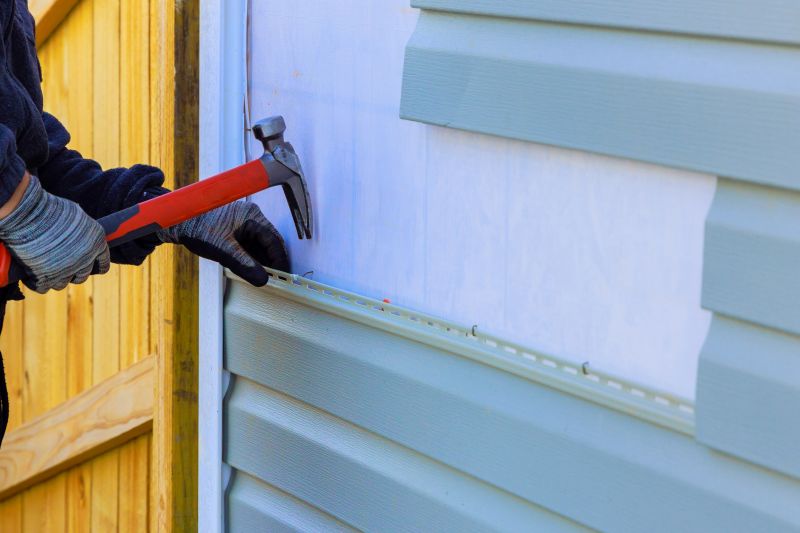
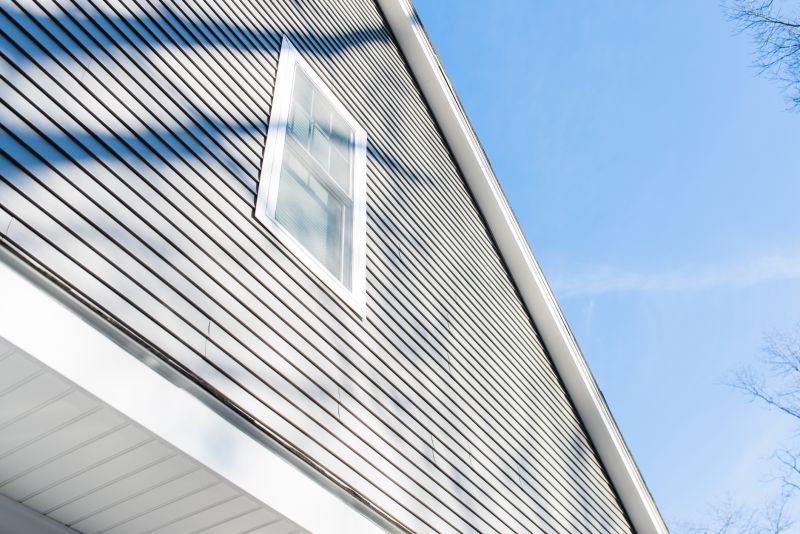
Residential siding installation is a common project for property owners looking to improve the appearance and durability of their homes. Local contractors are often called upon when homeowners notice damaged, outdated, or deteriorating siding that needs replacement or updating. Whether due to weather-related wear, age, or a desire for a fresh look, many property owners seek professional siding services to enhance their home's exterior and protect it from the elements.
Homeowners may also pursue siding installation when preparing a property for sale or simply aiming to boost curb appeal. In some cases, siding upgrades are part of a broader renovation effort to improve energy efficiency or address structural issues. Local service providers can assist with various siding materials and styles, helping property owners achieve a durable and attractive exterior that meets their specific needs.
What types of siding do local contractors install for homes? Local service providers typically install a variety of siding options including vinyl, fiber cement, wood, and aluminum to suit different preferences and home styles.
Can local siding contractors help with siding repairs? Yes, many local contractors offer both installation and repair services to address issues like damage, warping, or deterioration of existing siding.
What should I consider when choosing siding material for my home? Factors such as durability, maintenance requirements, aesthetic appeal, and compatibility with the home's architecture are important considerations when selecting siding material.
Do local siding installation services include surface preparation? Yes, professional contractors typically handle surface preparation, including cleaning, removing old siding, and ensuring the wall is ready for new siding installation.
How do local service providers ensure proper siding installation? Experienced contractors follow manufacturer guidelines and industry best practices to ensure siding is installed correctly, providing a weather-resistant and long-lasting finish.
Upgrade Your Home’s Exterior - Enhancing the appearance and durability of a property by installing new siding can improve curb appeal and protect against weather damage.
Prepare for Weather Changes - Installing siding can help property owners get their homes ready for seasonal shifts and harsh conditions.
Renovate or Modernize - Replacing outdated or damaged siding offers a practical way to refresh a home's look without a full remodel.
Increase Energy Efficiency - Choosing insulated siding options can contribute to better thermal performance and lower energy costs.
If you are thinking about Residential Siding Installation for a property, this guide is meant to help you understand the work, the typical project types, and how different options might fit your plans.
When you are ready, you can use the quote form on this page to share a few details about your project. From there, local pros can review the basics and respond with options that match what you have in mind.